Don’t mince words, Radcliffe told scholars. It worked.

When exploring different sides of an issue, a devil’s advocate can play-act an opposing perspective, but the exercise has limits. It’s better to talk to someone who genuinely disagrees with you.
“You actually have to make the effort to get people in the room who deeply believe in, think about, and live by a certain set of aspirations or ideals,” said Jenna Silber Storey, co-director of the Center for the Future of the American University at the American Enterprise Institute, a conservative think tank. When faculty members discuss intellectual diversity on college campuses, it’s not enough, she said, to “theoretically entertain what political conservatives might think.”
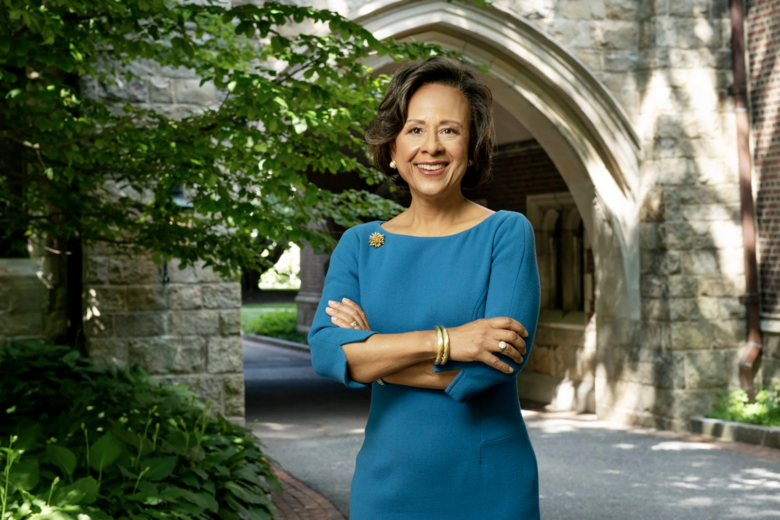
Dean Tomiko Brown-Nagin of the Harvard Radcliffe Institute agrees. When she convened a workshop on intellectual diversity last November, she and her co-leads, Harvard Ed School historian Julie Reuben and Keith Whittington of Yale Law School, took care to choose scholars and leaders whose wide range of political and ideological perspectives would put their commitment to collaboration to the test.
Read more from the Harvard Gazette