

Letter from Leadership
From the Chief Community and Campus Life Officer
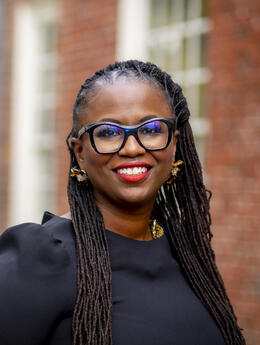
Harvard's dedication to the pursuit of excellence in teaching, learning, and research cannot be separated from the health of the community that sustains it. We do our best work, and our most enduring work, when every person on this campus can fully participate in the opportunities the University has to learn, discover, and achieve. Each year, this report offers us a chance to pause and ask what it truly means to build a healthy, connected campus culture, one that is capacious and resilient enough to hold our differences.
Last year’s theme, Leading with Community, asked us to consider how our daily choices, individually and collectively, shape a campus where every person is seen, heard, and able to contribute. The initiatives described in the following pages reflect the collective impact of Harvard’s community and culture ecosystem: a network of programs, partnerships, and people committed to this work across every school and unit.
A few highlights from the year: The President’s Building Bridges Fund received three times as many applications and funded twice as many projects as it did the year before; clear evidence that students’ interest in engaging across difference continues to grow. Nearly 1,000 members of our community gathered both online and in person for the annual Community and Campus Life (CCL) Forum, and nearly 900 attended the Welcome Block Party, convenings that reminded us how much we value learning in community with one another. Meanwhile, students, faculty, and staff across the University worked to strengthen the infrastructure that makes full participation in University life possible.
Across the schools, this commitment took many forms: a faculty seminar on antisemitism at Harvard Business School, a Truth and Reconciliation conference at Harvard Divinity School, a Civil Society at the Cinema series at Harvard Kennedy School, and a Civil Discourse initiative welcoming new graduate students at the Harvard Kenneth C. Griffin Graduate School of Arts and Sciences. Different in methods but united in purpose, each of these local initiatives gave community members opportunities to practice Harvard’s Community Values. Together, these efforts demonstrate that fostering a healthy campus community is not separate from Harvard’s mission but essential to it: our University cannot advance knowledge unless its members feel the sense of belonging needed to pursue it. As President Garber reminded us at the CCL Forum, “We are building an environment where every member of the University feels they belong, and where full participation is not left to chance or circumstance.”
I am grateful to our many partners across the University whose leadership helps build a Harvard where everyone can thrive. The work continues, and I look forward to advancing it together.
In community,
Sherri Ann Charleston, JD, PhD